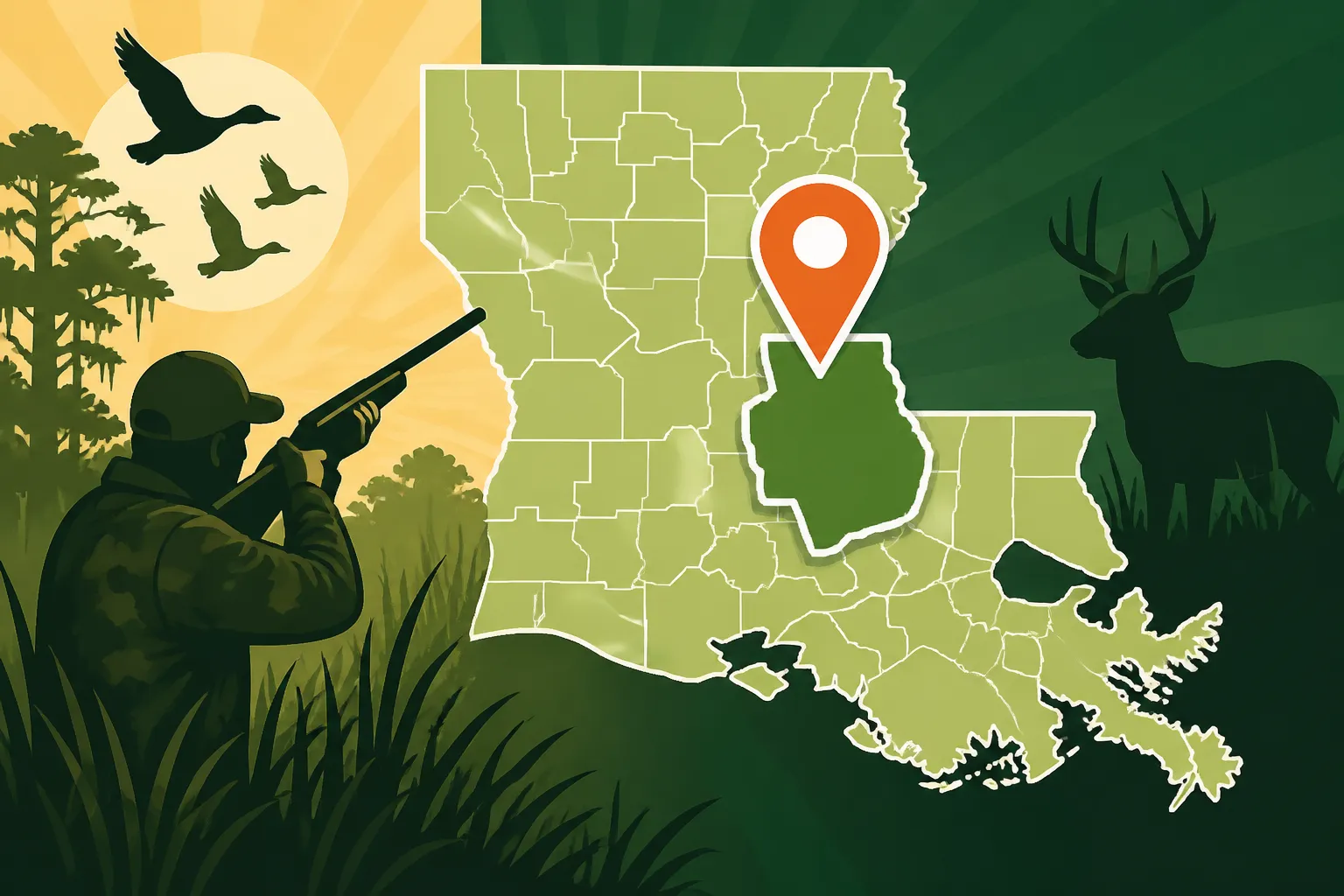
Which Louisiana Parish Has the Most Public Land
Finding enough accessible public hunting land in Louisiana can feel like an impossible puzzle, especially when you're just starting out or trying to expand your hunting spots. Many of us get frustrated sifting through regulations and maps, wondering if there's truly a place left where we can stretch our legs and chase game without a hefty lease payment. This guide is going to cut through that confusion and pinpoint exactly which Louisiana parish boasts the most public land, and what that means for your next hunting adventure.
The Public Land Puzzle in Louisiana
Louisiana is often seen as a state dominated by private land and leases, and it's true that a vast majority of the landscape is privately owned. This can make it incredibly challenging for the average hunter, who might not have access to a family tract or the budget for a pricey hunting club membership, to find a place to pursue game. The struggle is real; you spend hours researching, driving, and scouting, only to hit "No Trespassing" signs at every turn. But there are public lands, and knowing where they are concentrated is your first step to unlocking new hunting opportunities. It’s not about just finding some public land, it's about finding significant public land that offers a real chance to spread out and hunt without tripping over other hunters every hundred yards.
Understanding Public Versus Private Land
The distinction between public and private land in Louisiana isn't just a legal formality; it's the fundamental difference between where you can hunt freely (with the proper licenses, of course) and where you absolutely cannot without explicit permission. Private land, whether it's timber company acreage, agricultural fields, or family holdings, requires permission – often in the form of a lease, a day fee, or a personal invitation. Many hunters dream of securing a good private lease, but the costs and competition can be prohibitive.
Public land, on the other hand, is managed by state or federal agencies and is open to all licensed hunters, typically under a specific set of rules and seasons that can differ from private land. This difference is critical for anyone trying to maximize their hunting opportunities without breaking the bank. Understanding the boundaries and regulations is paramount, and digital tools like onX Hunt are invaluable for clearly defining these lines, saving you from accidental trespass or wasted scouting efforts. It’s about more than just a place to hunt; it’s about accessing the resource that belongs to everyone.
Types of Public Land in Louisiana
When we talk about public hunting land in Louisiana, we're generally referring to a few key categories, each with its own management style, habitat, and regulations. It’s not a one-size-fits-all situation, and what works for deer in one area might be entirely different for ducks in another.
- Wildlife Management Areas (WMAs): These are state-owned or managed lands specifically designated for wildlife conservation and public recreation, including hunting. The Louisiana Department of Wildlife and Fisheries (LDWF) oversees these, and they often have very specific regulations regarding season dates, legal methods, and access. You might find quota hunts or sign-in/sign-out procedures on some WMAs, which can be a bit of a learning curve for newcomers. Louisiana Wildlife Management Areas are often your best bet for varied hunting experiences.
- National Forests: These are federally managed lands, primarily by the U.S. Forest Service. In Louisiana, the vast majority of our National Forest acreage is within the Kisatchie National Forest. These areas tend to be more expansive than WMAs and often have different rules regarding camping, vehicle access, and even which types of stands you can use. Kisatchie National Forest Hunting offers some incredible, albeit challenging, opportunities.
- National Wildlife Refuges (NWRs): Managed by the U.S. Fish and Wildlife Service, NWRs are primarily focused on protecting wildlife and their habitats. Hunting is often allowed, but typically under very strict, sometimes limited, regulations to prioritize conservation goals. These can be incredible spots for specific species like waterfowl or deer, but always check their specific unit regulations before planning a trip.
Each type of public land offers a unique experience, and knowing which agencies manage them helps you know where to look for rules and information. It's not just about finding the land, but understanding the specific nuances of hunting it.
Unveiling the Public Land Powerhouse: Vernon Parish
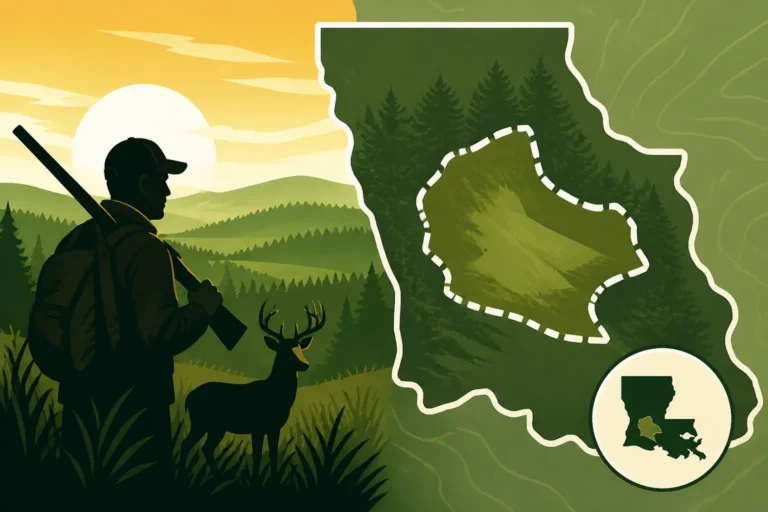
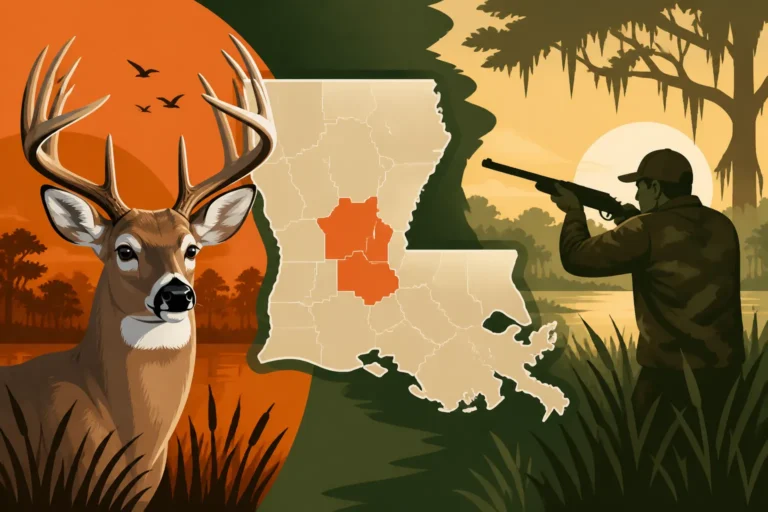
When it comes to sheer acreage of public hunting land in Louisiana, one parish stands head and shoulders above the rest: Vernon Parish. Nestled in the west-central part of the state, Vernon Parish is home to a substantial portion of the Kisatchie National Forest, making it a dream destination for many public land hunters. If you're looking for vast, unbroken tracts where you can truly get away from the crowds and immerse yourself in the hunt, Vernon is your parish. It offers an experience that’s less about small, isolated pockets and more about expansive woodlands where a hunter can truly roam.
Kisatchie National Forest's Influence
The reason Vernon Parish claims the top spot is almost entirely thanks to the Kisatchie National Forest. This expansive federal forest sprawls across several parishes, but Vernon holds the largest contiguous and most accessible chunks. The Kisatchie offers a diverse landscape, ranging from longleaf pine forests to hardwood bottoms along creeks and rivers. This isn't your typical flat, marshy Louisiana terrain; it's rolling hills, piney woods, and creek drains that provide a distinctly different hunting challenge.
Think about it: you can pack a lunch, grab your gear, and walk for miles without hitting a boundary fence or a road. That kind of freedom is rare in Louisiana. The management practices within the Kisatchie, which include prescribed burns and timber thinnings, create a mosaic of habitats that can be very attractive to deer, hogs, and even turkeys, depending on the specific area and time of year. Knowing How Many Acres Kisatchie National Forest Covers gives you an idea of the scale we're talking about, and why it's such a draw.
Hunting Opportunities in Vernon Parish
Hunting in Vernon Parish, particularly within Kisatchie National Forest, offers a wide array of opportunities, but it definitely favors the hunter who is willing to work for it. This isn't a place for quick, easy hunts; it's for those who appreciate the challenge and the solitude of big woods hunting.
- Deer Hunting: Whitetail deer are the primary draw. The deer here are often accustomed to pressure, so success frequently comes down to covering ground, finding fresh sign away from main roads, and understanding how deer use the terrain. Areas with varying timber ages, near water sources, or along ridge lines can be productive. You'll likely encounter smaller-bodied deer compared to the rich river bottoms, but the chance to arrow a public land buck after a long, hard hunt is incredibly rewarding. Understanding Reading a Ridge for Central Louisiana Deer can be a game-changer here.
- Hog Hunting: Feral hogs are abundant throughout Kisatchie and offer a year-round hunting opportunity. They thrive in the diverse habitat and can be found almost anywhere, from dense thickets to creek bottoms. Hunters often target hogs opportunistically while deer hunting or specifically pursue them with still-hunting tactics or calls.
- Turkey Hunting: The pine forests of Kisatchie support healthy populations of wild turkeys. Spring turkey season can be fantastic, but like deer, these birds are pressured and require patience, good calling skills, and the willingness to cover ground. Roosting birds the evening before or using run-and-gun tactics can be effective.
- Small Game: Squirrels are plentiful, especially in the mixed hardwood areas and creek bottoms. Rabbit hunting can also be good in areas with dense brush and cover. These hunts are a great way to enjoy the forest when deer or turkey seasons are closed, or simply for a more relaxed outing.
Vernon Parish and its Kisatchie offerings provide a true public land experience, challenging yet ultimately rewarding for those dedicated to learning its nuances.
Beyond Vernon: Other Significant Public Land Parishes
While Vernon Parish holds the crown for the most public land, Louisiana has other parishes that offer substantial and excellent hunting opportunities. It’s not just about quantity; sometimes, specific habitats or management strategies in other parishes can provide unique, quality hunts. Diversifying your public land knowledge will open up more possibilities throughout the state.
Tangipahoa and Washington Parishes: Pearl River WMA
In the southeastern part of Louisiana, Tangipahoa and Washington parishes share a significant portion of the Pearl River Wildlife Management Area. This WMA is a vast, bottomland hardwood and cypress-tupelo swamp system, very different from the piney woods of Kisatchie. Pearl River WMA Bottomland Deer Ground is legendary for its deer hunting, but it’s a challenging environment that demands a specific skillset.
The Pearl River WMA is characterized by its fluctuating water levels, which can dramatically impact deer movement and access. Hunters often use boats to navigate the bayous and sloughs, looking for high ground and ridges that deer utilize during high water. This isn't a place for casual strolls; it's a commitment to swamp hunting, complete with mosquitoes, snakes, and often tough retrieves. However, the rewards can be substantial, with mature bucks that thrive in the dense, secluded cover. It also offers great opportunities for small game and waterfowl in certain areas.
Tensas and Madison Parishes: River Basin Havens
Moving to Northeast Louisiana, the parishes of Tensas and Madison are renowned for their rich river bottomlands and agricultural influence, which translates into some incredible public hunting, especially for deer. These parishes are home to significant portions of the Tensas River National Wildlife Refuge and the Richard K. Yancey Wildlife Management Area. These areas are characterized by mature hardwood forests, sloughs, and agricultural fields bordering the public land.
The deer herds in these parishes benefit from fertile soils and abundant food sources, often leading to larger-bodied deer with impressive antler growth. Tensas in particular is often mentioned in discussions about Why Tensas Parish Drives Louisiana's CWD Count due to recent disease management efforts, making it crucial to stay informed on current regulations. Hunting here can involve dealing with dense palmetto thickets, deep mud, and sometimes heavy hunting pressure, especially on opening weekends. However, persistent hunters who venture away from easy access points can find solitude and phenomenal hunting, particularly for deer and hogs. Understanding Hunting Tensas Parish River Bottoms is key to success in this region.
Atchafalaya Basin Parishes
The mighty Atchafalaya Basin, a sprawling network of swamps, bayous, and bottomland hardwoods, touches several parishes in central and south-central Louisiana, including St. Martin, Iberville, and St. Mary, among others. While the Basin itself isn't a single parish, these surrounding parishes offer access to vast tracts of public hunting within this unique ecosystem.
Hunting the Atchafalaya Basin is an experience unto itself. It's truly a boat hunter's paradise, where navigation by water is often the only way to reach secluded hunting spots. Deer hunting here means learning to read water levels, finding high ground, and understanding how deer use the intricate maze of channels and islands. Hunting the Atchafalaya Basin Swamp Deer requires a different set of skills and equipment than hunting pine forests or agricultural edges. Beyond deer, the Basin offers excellent opportunities for hogs, small game, and even waterfowl in certain areas. It's wild, rugged, and demands respect, but for those willing to embrace the challenge, it offers some of Louisiana's most authentic public land hunting experiences.
Tools and Tactics for Navigating Public Land
Identifying which parish has the most public land is a fantastic start, but actually hunting that land effectively is another challenge entirely. Public land, by its nature, can be pressured, confusing, and sometimes frustrating to navigate. However, with the right tools and a smart strategy, you can significantly increase your chances of success and find those hidden gems that others overlook.
Digital Mapping for Public Land Success
Gone are the days when a crumpled paper map and a compass were your only tools. Modern digital mapping applications have revolutionized how we find and hunt public land. Services like onX Hunt or GoHunt are absolutely indispensable for any public land hunter in Louisiana.
Here’s why they’re so crucial:
- Boundary Lines: These apps clearly display property lines, differentiating between public and private land, as well as specific WMA or National Forest boundaries. This prevents accidental trespassing and helps you understand where you can legally put boots on the ground. You can literally see onX Layers for Louisiana Land Status in real-time.
- Satellite Imagery: High-resolution satellite views allow you to scout from your couch, identifying potential bedding areas, travel corridors, water sources, and pinch points without ever stepping foot in the woods. You can mark waypoints, measure distances, and plan your entry and exit routes.
- Topography and Terrain: Understanding the elevation changes, even subtle ones in Louisiana, can be vital. These apps provide contour lines that show ridges, drains, and sloughs, helping you predict deer movement and find advantageous stand locations.
- Hunter Activity: Some apps even show public land access points, parking areas, and might offer insights into common hunter entry points. This helps you plan to go deeper or find less-pressured areas.
Before you ever leave your driveway, spend time with these apps. Mark potential spots, plan your routes, and save offline maps, especially since cell service can be spotty in remote areas. This is arguably the most important tool in a public land hunter's arsenal.
Scouting and Strategy for Pressured Areas
Public land often comes with the caveat of hunting pressure, especially during peak seasons like the firearms opener. But don't despair! With a smart approach, you can still find success.
- Pre-Season Scouting: This cannot be emphasized enough. Get out there well before the season opens, especially if you're new to an area. Look for trails, rubs, scrapes, and bedding areas. Identify key food sources and water access. The more you know about an area before you hunt it, the better. Consider Scouting Louisiana Public Land Before Season as part of your yearly routine.
- Go Deeper, Get Dirtier: Most hunters stick to easy access points and don't venture far from roads or parking lots. To find less-pressured animals, you often need to put in the extra effort. This might mean hiking an extra mile, crossing a slough, or pushing through thick cover. Finding Ground Others Walk Past is often where the biggest rewards lie.
- Hunt Mid-Week: If your schedule allows, hunting on weekdays can drastically reduce the number of other hunters you encounter. Public land that is packed on a Saturday might be empty on a Tuesday.
- Understand Pressure Points: Deer and other game on public land learn quickly where hunters frequent. Look for areas that offer cover and seclusion just off the beaten path. Think about benches on ridges, islands in swamps, or dense thickets between fields. These become sanctuaries.
- Utilize Stand Rules: Be aware of Treestand Rules on Louisiana Public Land which often means temporary stands that need to be removed daily or after a certain period. Ground blinds, especially brushed-in ones, can be very effective if you can build them inconspicuously.
- Focus on Entry and Exit: Plan your routes to minimize disturbance. Approach your stand with the wind in your favor, and avoid walking through obvious bedding areas. The way you enter and exit can make or break a hunt, especially on pressured land.
By combining cutting-edge technology with time-tested hunting strategies, you can transform the challenges of public land into rewarding adventures.
Top Louisiana Parishes by Estimated Public Hunting Acreage (Non-WMA Specific)
While exact, consistently updated acreage numbers can fluctuate due to land sales or management changes, here's a general overview of parishes with significant public hunting land, with Vernon Parish taking the lead primarily due to Kisatchie National Forest.
| Parish | Primary Public Land Source(s) | Estimated Public Hunting Acreage (Approx.) | Key Game Species | Terrain Type |
|---|---|---|---|---|
| Vernon | Kisatchie National Forest | ~250,000+ | Deer, Hog, Turkey | Piney hills, hardwood drains |
| Winn | Kisatchie National Forest | ~100,000+ | Deer, Hog, Turkey | Piney hills, hardwood drains |
| Tensas | Tensas River NWR, Big Lake WMA | ~70,000+ | Deer, Hog, Waterfowl | River bottoms, hardwood forests |
| Madison | Richard K. Yancey WMA, Tensas River NWR | ~60,000+ | Deer, Hog, Waterfowl | River bottoms, hardwood forests, agriculture |
| Tangipahoa | Pearl River WMA | ~35,000+ | Deer, Hog, Waterfowl | Bottomland hardwood, cypress swamp |
| Washington | Pearl River WMA | ~30,000+ | Deer, Hog, Waterfowl | Bottomland hardwood, cypress swamp |
| St. Martin | Atchafalaya Basin WMA | ~20,000+ | Deer, Hog, Waterfowl | Cypress-tupelo swamp, hardwood bottom |
| Iberville | Atchafalaya Basin WMA | ~15,000+ | Deer, Hog, Waterfowl | Cypress-tupelo swamp, hardwood bottom |
Note: These are approximate figures based on major public land holdings and can vary. Always consult current LDWF regulations and official maps for precise boundaries and acreage.
It's clear that if you're looking for sheer volume and expansive territory, Vernon Parish is your prime destination due to the immense presence of the Kisatchie National Forest. However, don't overlook the specialized opportunities in other parishes, particularly for unique habitats like the Atchafalaya Basin or the rich river bottoms of the northeast. Each offers a distinct challenge and reward.
Disclaimer
This article is for general informational purposes only and does not constitute professional advice. Laws, prices and regulations vary by location and change over time. Consult a qualified professional for guidance on your specific situation.