Why Cameron Parish Draws Waterfowl Every Winter
It’s a common frustration for waterfowl hunters across the country: you scout a promising spot, do your homework, and still come up short while other areas seem to consistently hold birds year after year. For many, Cameron Parish in Louisiana represents that magical "other area," a place where the ducks and geese seem to pour in every winter. This guide will peel back the layers of this famed hunting ground, exploring the unique ecological, geographical, and management factors that make Cameron Parish an undeniable magnet for migratory waterfowl.
The Unrivaled Habitat of Cameron Parish
Cameron Parish isn't just a location on a map; it's a living, breathing, dynamic ecosystem perfectly tailored to sustain immense populations of wintering waterfowl. The sheer complexity and abundance of its marsh environment are the primary reasons why ducks and geese find it so irresistible.
The Coastal Marsh Ecosystem
Imagine an intricate tapestry woven from water and land, where endless stretches of marsh grasses give way to open ponds, meandering bayous, and shallow sloughs. This is the essence of Cameron Parish's coastal marsh. It's a vast, interconnected network that provides diverse microhabitats catering to the specific needs of various waterfowl species, from dabbling ducks like mallards and gadwall to diving ducks such as canvasbacks and redheads.
The dense vegetation of the marsh offers crucial protective cover from predators and harsh weather, allowing birds to rest and conserve energy after their long migratory journeys. This seemingly uniform expanse is, in reality, a mosaic of subtly different environments, each playing a vital role in supporting the immense numbers of birds that descend upon it. Understanding the nuances of this marsh is key to successful hunting, and resources like Hunting Cameron Parish Marsh Ducks can help you navigate its complexities.
Abundant Forage and Food Sources
One of the most compelling draws for waterfowl is the promise of readily available and diverse food. Cameron Parish delivers this in spades. The shallow waters of the marsh are teeming with submerged aquatic vegetation (SAV) like wigeon grass and pondweeds, which are highly favored by many duck species. Emergent plants and their seeds also provide a significant food source, especially for dabblers that feed by tipping up in shallow water.
Beyond the natural marsh, Cameron Parish borders extensive agricultural lands, particularly rice and soybean fields. After harvest, these fields often remain flooded or contain waste grain, creating veritable buffets for ducks and geese. Species like pintails and specklebellies are particularly adept at utilizing these agricultural opportunities. The rich invertebrate life in the marsh's sediment also supplements the diet of many waterfowl, providing essential proteins for their winter survival. This blend of natural and agricultural food sources ensures that the birds have ample sustenance throughout their stay.
Freshwater and Brackish Interconnection
The delicate balance between fresh and brackish water is another critical factor in Cameron Parish's appeal. The parish sits at the nexus where freshwater inflow from rivers and rainfall meets the Gulf of Mexico's saline waters. This creates a gradient of salinity that supports an even wider array of plant and animal life. Some waterfowl species prefer purely freshwater environments, while others thrive in brackish conditions.
The dynamic nature of water levels, influenced by both tides and weather patterns, constantly reshapes the availability of these diverse feeding grounds. Periods of heavy rain might push freshwater further into the marsh, opening up new feeding opportunities, while a dry spell could increase salinity in certain areas. This constant flux means that birds have options, and can move to areas that best suit their current dietary needs and preferences. When you're trying to figure out where the birds are, recognizing these shifts is crucial.
Geographical Advantage on the Mississippi Flyway
Location, as they say, is everything. For migratory waterfowl, Cameron Parish's position on the map is nothing short of strategic genius, making it an indispensable winter destination.
Strategic Stopover Point
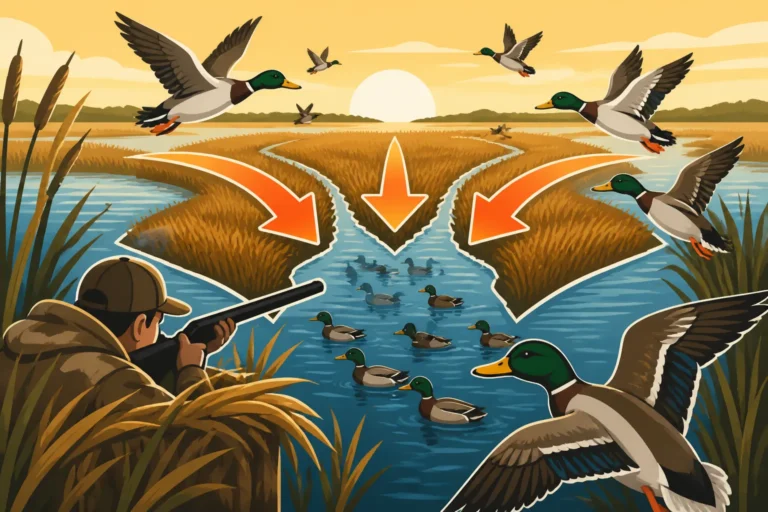
Cameron Parish lies at the very southern terminus of the Mississippi Flyway, one of the continent's major migratory routes. For millions of ducks and geese flying south from their breeding grounds in the prairies and tundras of Canada and the northern U.S., Cameron Parish represents the end of the line—the last major resting and feeding area before the vast expanse of the Gulf of Mexico. It acts as a funnel, concentrating birds that have traveled thousands of miles.
As winter deepens further north, more and more birds are pushed down the flyway, accumulating in this hospitable southern haven. This "stacking" effect means that even if a hunter has a tough day, there are always more birds just around the corner. Understanding Louisiana Waterfowl Migration Timing is essential for predicting when these influxes will occur. For hunters, knowing this crucial geographical context can help inform scouting and hunting strategies, whether using a platform like GoHunt to analyze land features or simply observing local bird movements.
Mild Winter Climate
While the rest of the continent might be shivering under blankets of snow and ice, Cameron Parish typically experiences mild, temperate winters. This gentle climate is a significant draw for waterfowl, allowing them to conserve precious energy that would otherwise be spent on thermoregulation in colder regions. When ponds and lakes freeze solid further north, making food inaccessible, the waters of Cameron Parish often remain open and navigable.
This mildness translates into extended feeding opportunities, healthier birds, and less stress overall. Ducks and geese don't have to constantly battle the elements, which means they can spend more time foraging and resting. This factor alone makes the Louisiana coast an undeniable sanctuary, a place where survival is less of a struggle than it is in more unforgiving northern landscapes.
Shelter from Winter Storms
Even in a mild climate, winter weather can bring powerful cold fronts and strong winds. The unique coastal structure of Cameron Parish, with its dense marsh vegetation, provides exceptional shelter from these storms. The innumerable small ponds, bayous, and channels are naturally protected, offering calm water even when the larger bodies of water are churned up.
Dense stands of marsh grass, like roseau cane, create natural windbreaks and secure roosting areas where birds can seek refuge from strong north winds that often accompany cold fronts. These fronts, while sometimes challenging for hunters, are also excellent for pushing fresh waves of birds into the area, further concentrating them in the sheltered nooks and crannies of the marsh. A hunter using GoHunt could analyze satellite imagery to identify these protected areas, understanding where birds might seek refuge during adverse conditions.
Refuge and Management Efforts
While the natural attributes of Cameron Parish are undeniable, credit must also be given to the extensive human efforts in conservation and habitat management that enhance its appeal to waterfowl. Without these initiatives, even the most perfect natural habitat could be compromised.
National Wildlife Refuges and WMAs
Cameron Parish is home to critical conservation areas, including the vast Rockefeller Wildlife Refuge and the Cameron Prairie National Wildlife Refuge. These designated areas provide immense tracts of undisturbed sanctuary for waterfowl, acting as vital magnets that draw birds into the region. Within these refuges, hunting pressure is either absent or strictly controlled, allowing birds to rest, feed, and rebuild their energy reserves without constant harassment.
These refuges serve as core areas from which birds will radiate out to surrounding huntable lands, particularly during feeding forays. Their very existence ensures a continuous influx of birds into the broader ecosystem, benefiting both regulated hunting and the overall health of the waterfowl population. Understanding the rules for Getting a Rockefeller Refuge Duck Permit or exploring other Louisiana Wildlife Management Areas is key for hunters seeking access to managed grounds.
Water Management for Habitat
A significant part of managing these critical wetlands involves active water management. Conservation agencies and private landowners often utilize impoundments and controlled water levels to cultivate specific plant species that are highly favored by waterfowl. This involves mimicking natural hydrological cycles, sometimes drawing down water levels to promote the growth of moist-soil plants during the summer, then reflooding in the fall to make the seeds and vegetation available to wintering birds.
This proactive approach ensures a consistent and abundant food supply throughout the winter. By manipulating water depths, managers can also create ideal feeding conditions for different species at different times. These carefully orchestrated efforts demonstrate a deep understanding of waterfowl ecology and contribute significantly to the parish's capacity to host millions of birds. The Louisiana Department of Wildlife and Fisheries (LDWF) plays a crucial role in overseeing these projects across the region.
Hunting Pressure Management
The sheer popularity of Cameron Parish for waterfowl hunting necessitates careful management of hunting pressure. On many public hunting grounds, such as Wildlife Management Areas (WMAs) and certain refuge units, access is often regulated through draw hunts, specific blind allocations, or limited entry periods. This rotation of pressure prevents birds from being constantly harassed, ensuring they have ample opportunities to rest and feed.
This balanced approach means that while hunting is a cherished tradition, the long-term sustainability of the resource is prioritized. Hunters benefit from these efforts, as well-rested birds are more likely to return, and the overall population remains robust. Private lands also play a role, with many landowners actively managing their properties to enhance waterfowl habitat and staggering their hunting pressure. Tools like GoHunt can be invaluable for hunters researching different areas, helping them understand land access rules and potential pressure points, allowing them to plan their hunts more effectively.
Here's a comparison of key features attracting waterfowl to Cameron Parish versus a typical northern wintering ground:
| Feature | Cameron Parish, Louisiana Coastal Marsh | Typical Northern Wintering Ground (e.g., Midwest) |
|---|---|---|
| Climate | Mild, temperate winters; rarely freezes solid | Harsh, often severe winters; frequent freezes |
| Water Access | Vast, interconnected marsh, bayous, open ponds | Lakes, rivers, ponds; often frozen solid |
| Primary Food Sources | Submerged aquatic vegetation, rice/soybean waste grain, invertebrates | Waste grain (corn, soybeans), limited natural vegetation (under snow) |
| Shelter | Dense marsh vegetation, intricate channels | Timber, topographic features, less widespread dense cover |
| Migration Stage | Final destination on Mississippi Flyway | Mid-point or northern end of flyway, or transient |
| Habitat Diversity | Freshwater to brackish gradient, marsh/agricultural mix | Often monoculture (agriculture) or frozen water |
| Refuge Presence | Large, well-managed NWRs/WMAs | Variable; may have refuges but often smaller |
| Energy Conservation | High due to mild conditions and abundant food | Low due to cold, scarce food, higher energy needs |
In conclusion, Cameron Parish is more than just a duck hunting spot; it's a finely tuned ecological machine, bolstered by strategic location and diligent human stewardship, making it an irreplaceable winter haven for waterfowl along the Mississippi Flyway. The combination of its diverse marsh habitat, abundant food, mild climate, and dedicated conservation efforts solidifies its reputation as one of the premier waterfowl destinations.
Disclaimer
This article is for general informational purposes only and does not constitute professional advice. Laws, prices and regulations vary by location and change over time. Consult a qualified professional for guidance on your specific situation.