Opening Weekend Crowds on Louisiana Public Land
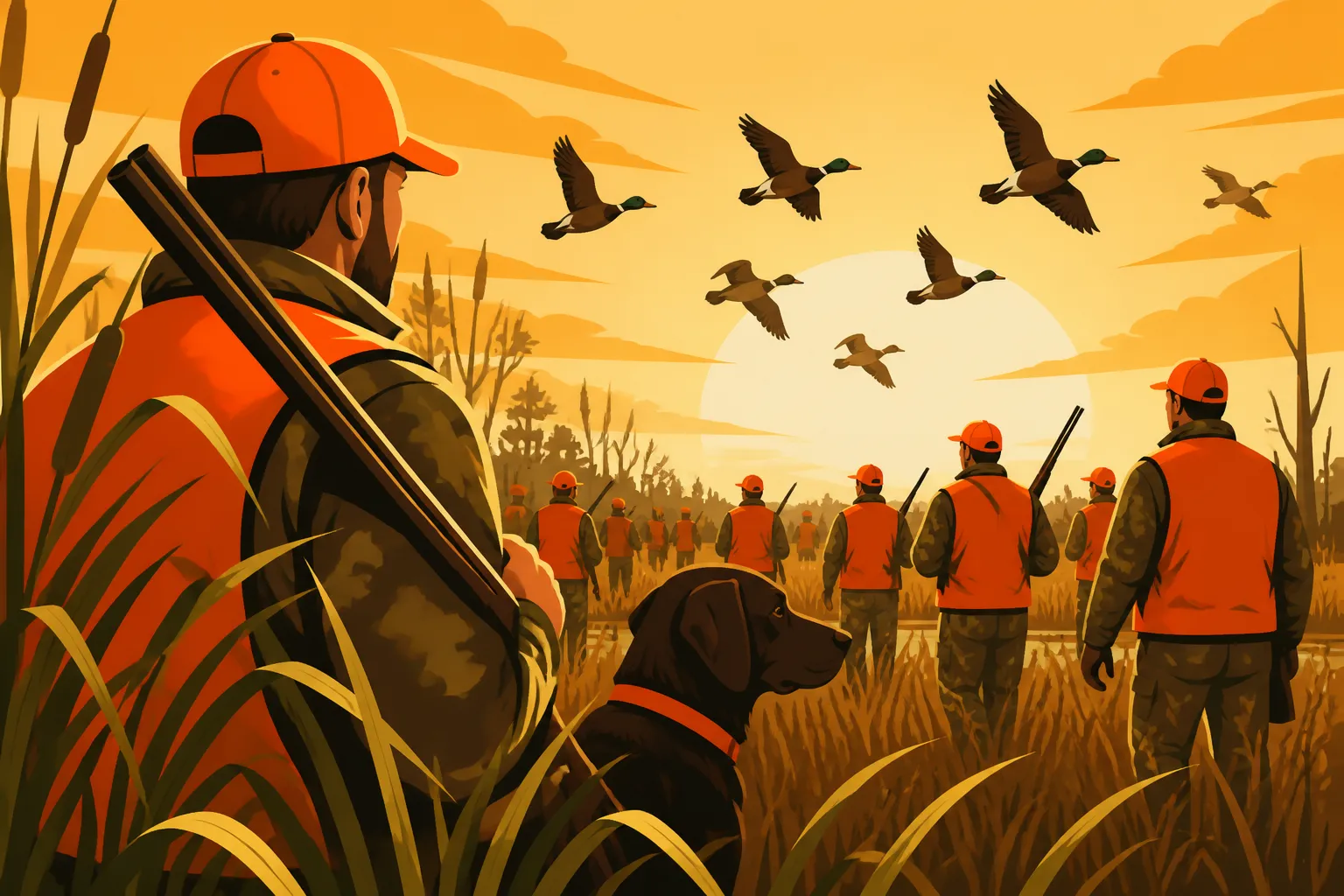
That first Saturday of deer season in Louisiana, especially the firearms opener, can feel less like a peaceful communion with nature and more like a crowded shopping mall on Black Friday. You've been waiting all year, scouting your spot, dreaming of that big buck, only to arrive pre-dawn and find a dozen other trucks already parked where you intended to slip into the woods. It's frustrating, it's disheartening, and it can make you wonder if public land hunting is even worth the effort. But don't hang up your boots just yet! This guide is all about understanding why those opening weekend crowds are so prevalent on Louisiana's public lands and, more importantly, how you can still find success and solitude despite them.
The Inevitable Rush: Why Opening Weekend Draws a Crowd
There's just something magical about opening day, isn't there? That crisp morning air (if we're lucky in Louisiana!), the hopeful anticipation, the chance to finally put all those months of scouting and preparation into action. It's a tradition deeply ingrained in our hunting culture, and it's why you'll see so many fellow hunters out there with you.
The Allure of the First Hunt
For many, opening weekend isn't just about harvesting a deer; it's a social event, a family tradition, or simply the culmination of a long off-season. The sheer excitement of finally being able to hit the woods after months of waiting creates an undeniable gravitational pull. People have been looking at trail camera photos, reviewing their Scouting Louisiana Public Land Before Season notes, and dreaming of that perfect shot. It’s a primal urge to be out there when the season officially kicks off.
This pent-up demand means that come Louisiana Firearms Season Opening Day by Area, you can expect a significant influx of hunters, especially on accessible public lands. Everyone wants to be the first one to tag out, the first to see a big buck on the move. This collective enthusiasm, while understandable, inevitably leads to crowded conditions. It's a rite of passage for many, and that camaraderie, even if unspoken, is part of the appeal for some. The general energy in the woods on opening morning is palpable, even if it means you're sharing that energy with more folks than you'd prefer.
High-Traffic Public Lands and Wildlife Management Areas
Louisiana is fortunate to have a good amount of public land available to hunters, including vast stretches of National Forests and numerous Wildlife Management Areas (WMAs). However, the very accessibility and reputation of these areas often contribute to the crowd factor. Everyone knows about the popular spots, the ones with easy road access or established parking areas. These are naturally the first to fill up.
Think about WMAs like Richard K. Yancey or Sherburne; they're well-known for their deer populations and offer diverse hunting opportunities, which is fantastic. However, this also means they're often the first places hunters think of when planning their opening day strategy. Newcomers and seasoned hunters alike gravitate towards areas known for their potential, and that collective decision means a lot of boots hit the ground in the same general vicinity. Understanding Public Hunting Land in Louisiana is key, but recognizing that high-profile areas will be busy is the first step in planning around it. It’s Why Louisiana's Gun Opener Draws the Biggest Crowds isn't a mystery; it’s a direct result of these factors combined. Even within the diverse landscape of Louisiana Deer Hunting Area by Area, the opening day of gun season on accessible public tracts sees a uniform surge.
Understanding Hunter Density
When you have a high concentration of hunters in a relatively small area, it fundamentally changes deer behavior. Deer are intelligent, wary animals, and they quickly adapt to increased pressure. What might have been a prime feeding area during the pre-season could become a sanctuary for deer seeking refuge from human activity once the season opens.
Increased hunter density often pushes deer into the thickest, most impenetrable cover available. They become primarily nocturnal, moving mostly under the cloak of darkness. This means that instead of seeing deer actively feeding or cruising, you're more likely to catch glimpses of them slipping through dense brush or darting across openings, always on high alert. The more hunters there are, the more noise, scent, and general disturbance there is, and deer are highly attuned to these changes. It's a direct reflection of Hunting Pressure on Louisiana Public Land in real-time, and it dictates how you need to approach your hunt. Your strategy needs to shift from finding deer in their normal patterns to finding where they're hiding because of the pressure.
Strategic Moves: Finding Elbow Room in a Packed Woods
Just because opening weekend is crowded doesn't mean you're doomed to an unsuccessful hunt or a frustrating experience. It simply means you need to be smarter, more strategic, and willing to work a little harder than the average hunter.
Pre-Season Scouting is Your Best Friend
This advice gets repeated constantly, but it's especially critical when facing opening weekend crowds. You need to know your hunting area intimately. This means more than just looking at a map; it means putting boots on the ground, weeks, and even months before the season opens. Walk the creeks, find the rubs and scrapes, identify travel corridors, and locate bedding areas. Look for the spots that are just a little harder to get to, the ones that other hunters might overlook.
Even if you’ve been doing some Scouting Louisiana Public Land Before Season, you need to consider how deer will react to pressure. Focus your scouting efforts on identifying natural funnels, thick cover, and remote pockets that offer deer an escape route or a safe haven. These are the places they'll retreat to when the shooting starts and the human scent saturates the more open woods. Don't just look for where deer are now, look for where they will be when everyone else shows up. Using tools like onX Hunt (brand mention 1) to mark waypoints, track your routes, and study topography can give you a significant advantage in visualizing these pressured deer movements.
Go Deeper, Go Further, Go Harder
This is perhaps the most straightforward, yet often overlooked, strategy for avoiding crowds: simply go where others aren't willing to go. Most hunters will only venture a few hundred yards from a road or parking area. This creates a "pressure perimeter" around easily accessible spots. If you're willing to walk a mile or two, or even more, into rougher terrain, you dramatically increase your chances of finding unpressured deer.
This might mean strapping on a heavier pack, navigating through thicker briars, or crossing a slough that looks intimidating. It's not glamorous, and it's certainly more physically demanding, but the reward is often a quieter, more productive hunt. Deer that are pushed by hunters closer to the roads will often filter deeper into these less accessible areas. Learning about Finding Ground Others Walk Past is essentially embracing this philosophy. Consider areas with no distinct trails, dense palmetto thickets, or sections of the woods that require wading or paddling to reach. These are the spots where deer feel safe, and where other hunters are far less likely to intrude.
Timing Your Entry and Exit
On opening weekend, everyone rushes to be in their stand an hour before legal shooting light. While this has its merits, it also means a flurry of human activity as dozens of hunters fan out into the woods. Consider whether a slightly delayed entry could actually benefit you. Instead of being part of the initial wave, waiting an extra hour or two might allow the woods to settle down a bit, and for other hunters to be established in their spots. You might miss the very first few minutes of legal shooting light, but you also avoid the cacophony of footsteps, rustling gear, and whispered conversations that often accompany the pre-dawn scramble.
Similarly, think about your exit strategy. If you're hunting an evening hunt, don't be afraid to sit a little longer than everyone else. As hunters start heading back to their trucks, they can inadvertently push deer your way. Observing how others move and planning your hunt around those patterns can be a subtle but effective tactic. This is especially true on properties that might have Hunting the Early-Start Deer Areas where the season opens early and hunters are eager.
Using Technology to Your Advantage
Modern technology offers incredible tools for public land hunters, especially when dealing with crowds. Mapping apps like onX Hunt (brand mention 2) are invaluable. Use them to identify property lines, locate potential bedding areas, find subtle terrain features like draws and saddles, and even mark potential stand locations. The satellite imagery can reveal hidden clearings, impenetrable thickets, or overlooked edges that might hold deer seeking refuge. onX Layers for Louisiana Land Status can even show you who owns neighboring private land, helping you understand where deer might be pushed from or to.
Another feature to consider is offline map capabilities. Public land, especially in more remote areas of Louisiana, often lacks cell service. Apps that allow you to download maps ahead of time (like onX Hunt or others that offer similar features) mean you can navigate confidently even when off-grid, ensuring you don't get lost or accidentally trespass. Using LDWF Without Cell Service is another critical skill, so combining your digital tools with traditional navigation methods is always smart. Beyond mapping, general hunting planning tools like GoHunt (brand mention 1) can provide overarching insights into deer behavior trends or help you research potential strategies for pressured animals, even if it's not specific to Louisiana's exact WMA regulations. Think of it as part of your broader research toolkit, helping you anticipate deer reactions based on general principles.
Tactical Approaches for Pressured Deer
When deer are pressured, their normal routines go out the window. They become more cautious, more nocturnal, and their movements become more unpredictable. Your tactics need to adapt accordingly.
Adjusting Your Stand Placement
Forget the wide-open food plots or the well-worn trails you might have found in your early scouting. Pressured deer will avoid these exposed areas like the plague during daylight hours. Instead, focus on dense cover, transition zones between bedding and feeding, and escape routes. Look for pinch points within thickets, saddles on ridges leading into heavy woods, or brushy creek bottoms that offer security cover.
Deer that are bumped by other hunters will often run through the path of least resistance within cover, not across open ground. Your stand needs to be strategically placed to intercept these movements. Consider hanging stands deeper in the woods, or even setting up a ground blind in an area with extremely dense cover, especially if you're hunting on WMAs where Ground Blind Rules on Louisiana WMAs are important to understand. The key is to think like a deer that is constantly trying to avoid detection. They'll use every available bit of cover to move.
Still-Hunting and Small Drives
Sitting silently in a stand can be highly effective, but on opening weekend, with so many other hunters moving around, it's often worth considering more active tactics. Still-hunting, which involves slowly and deliberately moving through the woods, stopping frequently to scan and listen, can be incredibly productive. You're essentially moving through the deer's escape cover, trying to catch them before they catch you. This works best in areas with good visibility but enough cover for deer to hide, like open pine timber or areas with sparse undergrowth.
Another option, if you have a few trusted hunting buddies, is to organize very small, quiet deer drives. This isn't about running deer across open fields, but rather gently pushing thickets or dense patches of woods towards waiting standers. The goal isn't to spook deer into a full-blown run, but to get them to walk casually past your setup. Always ensure you're aware of other hunters and have a clear understanding of your surroundings to maintain safety. Knowing Deer Drives With Three or Four Hunters and how to execute them safely and ethically is paramount, especially on public land. These tactics require careful planning and communication to ensure safety and effectiveness.
Hunt Mid-Week if Possible
While this article focuses on opening weekend, it’s worth noting that one of the absolute best strategies for avoiding crowds is to simply not hunt on opening weekend. Or, if you do, consider planning your main hunts for later in the week. The drop-off in hunter numbers from Saturday to Monday, and especially to Tuesday or Wednesday, is often dramatic.
After the initial rush, many hunters return to work, leaving the woods significantly quieter. Deer, which have been pushed and made nocturnal by the weekend pressure, will often start to resume more natural movements during the week. If your schedule allows, taking a weekday off can transform your public land experience. You'll likely encounter far fewer hunters, and the deer will be much less wary. It gives the woods a chance to breathe, and the deer a chance to relax a little, making them more predictable and vulnerable.
| Strategy Component | Opening Weekend Hunter Tendency | Recommended Public Land Strategy |
|---|---|---|
| Location Choice | Hunting easily accessible areas, known hotspots. | Prioritize remote areas, thick cover, less obvious travel routes. |
| Scouting Focus | Looking for current sign, fresh tracks in open areas. | Identifying escape cover, pressure funnels, remote bedding. |
| Entry/Exit Time | Arriving before dawn, leaving at shooting light. | Consider later entry, longer sits; move when others are moving. |
| Stand Placement | Overlooking food plots, open fields, clear trails. | Focus on dense transition zones, bottlenecks in thickets. |
| Hunting Style | Sitting stationary in a stand/blind near known food. | Active still-hunting, slow methodical movements through cover. |
| Deer Behavior Expectation | Expecting normal patterns, daylight movement. | Anticipating nocturnal movement, deer holding tight in cover. |
| Tech Use | Basic mapping for general location. | Detailed map study for terrain, property lines, pressure points. |
| Patience Level | High expectation for quick success. | Accepting that success requires more persistence and effort. |
The Mindset of a Public Land Hunter
Beyond the practical strategies, success on crowded public land often comes down to your mental approach. It's about maintaining a positive attitude and embracing the unique challenges that come with shared resources.
Patience and Persistence
Public land hunting, particularly on opening weekend, is rarely a walk in the park. You're going to encounter other hunters. You might hear shots fired far too close for comfort. You might sit for hours and see nothing but squirrels. It's easy to get discouraged. However, the most successful public land hunters are almost always the most patient and persistent.
They understand that success might not come on the first sit, or even the first day. They're willing to put in the time, walk the extra mile, and endure the quiet hours. They analyze what they're seeing (or not seeing) and adjust their plans rather than giving up. Remember, you're competing not just with the deer's instincts, but also with the collective impact of other hunters. Your willingness to stay in the game, keep learning, and keep trying is often the biggest determinant of success. Every outing is a lesson, a chance to refine your understanding of how deer react to pressure in your specific hunting area.
Safety First and Hunter Etiquette
When the woods are crowded, safety becomes even more paramount. Always wear sufficient blaze orange, especially during firearms season, to make yourself visible to other hunters. Louisiana Blaze Requirement During Gun Season clearly outlines these necessities. Communicate with any hunters you encounter, if appropriate, to ensure everyone knows where others are located. A friendly wave or a quiet acknowledgment can go a long way in preventing misunderstandings.
Respect for other hunters is also crucial. If you see a truck parked at a spot you intended to hunt, respect that space and find an alternative. Never walk in on another hunter's setup or try to crowd their area. Leave the woods cleaner than you found them, and always ensure your shots have a safe backdrop. The public land we have is a privilege, and maintaining good hunter etiquette ensures that everyone can enjoy it safely and responsibly. Most hunters are out there for the same reasons as you, and a little mutual respect can make a world of difference.
Embracing the Challenge
Ultimately, hunting Louisiana's public land on opening weekend is a challenge. It's a test of your scouting skills, your physical endurance, and your mental fortitude. But there's a unique satisfaction that comes from succeeding in such an environment. When you finally tag a deer that you've outsmarted not just the animal, but also the collective pressure of other hunters, the reward feels even sweeter.
Instead of seeing the crowds as a problem, view them as part of the puzzle. How can you use their movements to your advantage? Where will the deer go because of them? This shift in perspective can turn a frustrating situation into an exciting strategic game. Embrace the opportunity to hone your skills, learn more about deer behavior under pressure, and discover those hidden gems of public land that others overlook. The experience of earning a deer on pressured public land is a memory you'll carry with pride for years to come.
Disclaimer
This article is for general informational purposes only and does not constitute professional advice. Laws, prices and regulations vary by location and change over time. Consult a qualified professional for guidance on your specific situation.