Cameron Prairie Refuge Duck Blind Draws
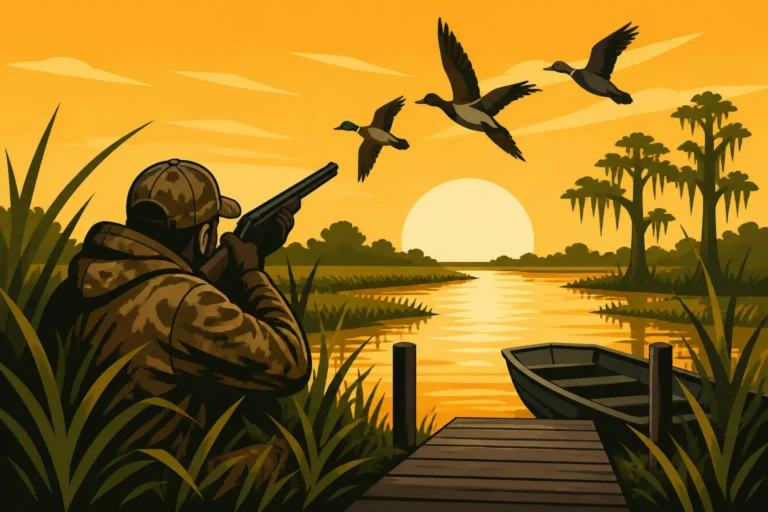
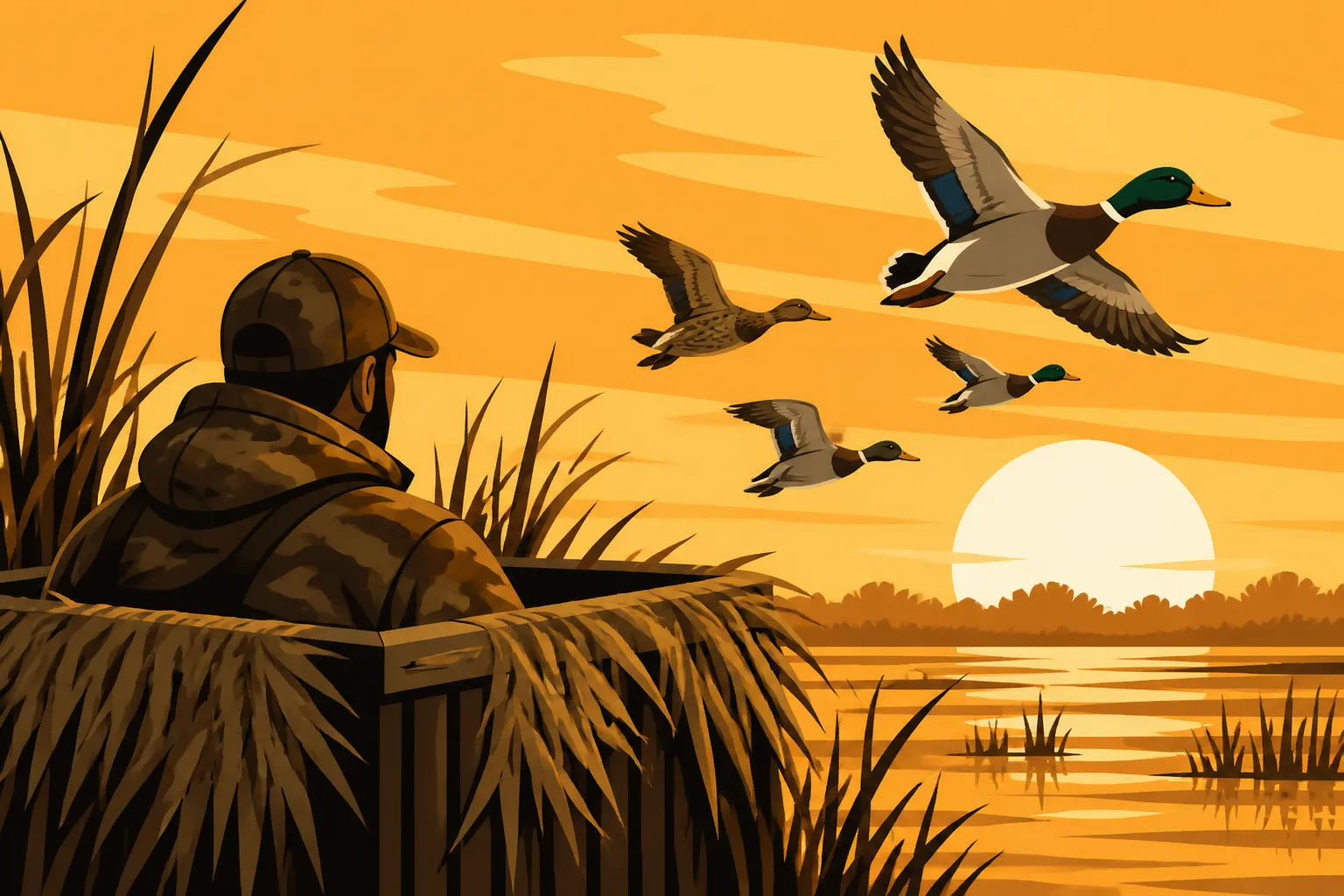
Oh, the Cameron Prairie Refuge duck blind draw! It's one of those things that every serious Louisiana waterfowl hunter dreams of, but also one that can cause a fair bit of frustration. The thought of hunting those prime marsh locations, seeing the sunrise paint the sky over teeming ponds, and having ducks cup their wings into your decoys – it's pure magic. But getting one of those coveted spots? That's where the reality of limited access and high demand truly hits home. This guide is going to walk you through the ins and outs of the Cameron Prairie Refuge duck blind draw, helping you understand how it works, how to apply, and what to do if you're lucky enough to get a spot (or if you have to look for alternatives).
Understanding the Cameron Prairie Duck Blind Draw System
Cameron Prairie National Wildlife Refuge, nestled in the heart of Louisiana's famed coastal marsh, is a jewel for waterfowl. But precisely because it's such a prime location, access has to be carefully managed to ensure sustainable hunting and a quality experience. You can't just show up and hunt anywhere; it's a regulated system designed to protect the resource while still offering incredible opportunities. This draw system is essentially a lottery that allocates specific blind sites to successful applicants for designated hunting days.
Why the Draw Exists: Managing a Prized Resource
Imagine hundreds, even thousands, of hunters descending on a limited area of prime duck habitat. It would be a chaotic mess, quickly ruining the hunting experience for everyone and potentially stressing the wildlife. That's why the U.S. Fish and Wildlife Service, which manages these refuges, implements a draw system. It's not just about fairness; it's a critical tool for conservation. By controlling the number of hunters, where they hunt, and for how long, the refuge can maintain healthy duck populations, prevent overharvesting, and ensure minimal disturbance to other wildlife. It also helps spread out hunting pressure, allowing certain areas to rest and ducks to feel more secure. It’s a necessary trade-off for such an exceptional hunting ground, even if it means fewer opportunities for some.
Overview of Blind Sites and Hunting Zones
The Cameron Prairie Refuge waterfowl hunting program typically divides the accessible areas into distinct zones, and within those zones, specific blind sites are established. These aren't just random spots; refuge staff often strategically place these blinds in areas known for duck activity, considering factors like food sources, water depth, and prevailing winds. Sometimes, the blinds are actual constructed structures, while other times they might simply be marked locations where you're allowed to set up your own portable blind or brush in. Understanding these different sites is key to formulating your application strategy. Some blinds might be harder to access, requiring a long boat ride or a challenging paddle, while others might be more easily reachable. Each blind site will have specific rules regarding the number of hunters allowed and sometimes even the type of boat or motor. You might even find some areas designated for youth hunts or specific methods. Remember to check the current refuge regulations meticulously, as these details can change.
How it Differs from Other Public Land Hunting
Unlike many Wildlife Management Areas (WMAs) in Louisiana where you might simply sign in and find an open spot to hunt, federal refuges like Cameron Prairie operate under stricter, more formalized rules. On a WMA, you might have the freedom to walk in or boat to any open ground within the regulations, setting up wherever you find good sign. With Cameron Prairie's draw system, you're assigned a specific location on a specific date. This means you can't just pick your favorite spot; you get what you're drawn for. This focused allocation minimizes competition on the ground, but it ramps up the competition for the draw itself. It also means thorough pre-scouting of specific sites, often from a distance or through historical knowledge, is crucial rather than just generally scouting a large area. This more controlled environment often leads to higher quality hunts for those who are drawn, but it also demands a different kind of preparation and flexibility from the hunter.
The Application Process: Step-by-Step
Navigating the application process for the Cameron Prairie duck blind draw can feel a bit like wading through thick marsh mud if you're not prepared. It's not overly complicated, but missing a detail can mean missing out entirely. The key is diligence, attention to deadlines, and understanding exactly what the refuge requires from its applicants.
Eligibility Requirements and Hunter Education
First things first: are you even eligible to apply? Generally, all applicants need to hold a valid Louisiana hunting license and federal and state duck stamps, along with the Harvest Information Program (HIP) certification. Beyond that, many managed hunts on federal lands, and often for all migratory bird hunters, require proof of hunter education. If you haven't taken it yet, now's the time! Remember, even if you’re an experienced hunter, if you were born after a certain date (often September 1, 1969, in Louisiana), you'll need that certificate. Don't let a simple paperwork oversight derail your dream hunt. Check out Louisiana Hunter Education Requirements for more information on getting certified. Sometimes, specific hunts, like youth lottery hunts, have age requirements for the youth hunter and mandate that an adult mentor is present who also meets all licensing and hunter education criteria.
Key Application Dates and Deadlines
This is perhaps the most critical part: the dates. Unlike deer season which has set openings, draw applications have specific windows. These usually happen well in advance of the actual duck season, often in late summer or early fall. Missing the application window means you're out of luck until next year. The refuge will announce these dates, typically on their official website or through state wildlife agency channels. It's smart to mark your calendar, set reminders, and check these sources well in advance. There might be a short application period, perhaps only a few weeks, so you can't procrastinate. Imagine getting everything else right, only to realize you missed the submission date by a day – it's a real gut punch that many hunters experience. Always confirm the exact start and end dates for applications directly with the refuge or the Louisiana Department of Wildlife and Fisheries (LDWF) for the upcoming season.
How to Submit Your Application
In years past, applications might have been paper forms mailed in, but increasingly, these draws are moving to online portals. This makes it easier for everyone, but also means you need reliable internet access and to be comfortable with online forms. You'll typically need to provide your hunting license number, contact information, and potentially indicate your preferred hunting dates or blind site choices (if the system allows for preferences). Some draws are "party applications," meaning one person applies as the primary applicant and lists other hunters who will be joining them. This is important to note if you plan on hunting with friends or family. Make sure all party members meet the eligibility criteria, and their information is accurate. There might be a small, non-refundable application fee associated with each entry. Read every instruction carefully before hitting "submit." Mistakes on the form, even minor ones like a typo in a license number, could invalidate your entry, and that's the last thing you want when vying for a spot in the Cameron Prairie Refuge Waterfowl Access program.
Maximizing Your Chances and What to Expect
Let's be real: winning a duck blind draw at Cameron Prairie is tough. It's competitive. But there are ways to approach it that can subtly improve your odds or at least ensure you're doing everything possible to be in the running. And perhaps just as important, it's about managing your expectations for this kind of high-demand hunting experience.
Applying as a Group Versus Individually
This is a common question, and the answer often depends on the specific draw rules for that season. Some draw systems are set up where applying as a group might slightly increase your collective odds of one member getting drawn, as the system might treat a group application as a single entry with multiple people attached. Other times, it might be better for each individual in your group to submit their own application to maximize the number of "tickets" in the lottery. However, if you're aiming to hunt together, a group application is usually the only way to guarantee that if one of you gets drawn, everyone in the group gets to hunt the same blind. The key here is to meticulously read the draw instructions. If the rules allow for multiple applications from the same individual (which is rare), or if it specifies how group entries are treated, that's your roadmap. Just make sure everyone is aware of the plan and adheres to the rules to avoid disqualification.
Understanding Preference Points (If Applicable)
Some lottery systems, particularly for highly sought-after hunts or limited species, incorporate a preference point system. This is designed to reward hunters who have applied in previous years but were unsuccessful, giving them a slightly better chance in subsequent draws. For example, each year you apply and don't get drawn, you might accumulate a point. The next year, you'd apply with two points, then three, and so on. This isn't a guarantee, but it certainly can tip the scales in your favor over time. Not all refuge draws use a preference point system, so don't assume it's in place. Check the official refuge regulations for the current season to see if Cameron Prairie offers any such system. If they do, persistence really pays off, making those years of not getting drawn feel a little less disappointing, knowing you're building towards a better chance.
Pre-Season Scouting and Research from Afar
Once you've applied, or even before, the real work for a diligent hunter begins: scouting. Since you can't physically enter the refuge before the season without a permit (and certainly not to scout blind sites for a draw you haven't won yet), you need to get creative. Start with aerial imagery. Tools like onX Hunt or similar mapping platforms are invaluable here. You can identify potential blind locations, understand access routes, mark water features, and get a general feel for the terrain. Look for changes in vegetation, potential resting areas, and flight corridors. Historic harvest reports from the refuge, if available, can also offer clues about which zones or blinds have historically been more productive. Talk to other hunters who have been drawn in previous years; their insights can be priceless. While you can't put boots on the ground, you can certainly put eyes in the sky and knowledge in your head. Understanding the Hunting Cameron Parish Marsh Ducks landscape is critical even without direct access.
What to Do if You Get Drawn (and What if You Don't)
The moment of truth arrives, usually with an email or a notification. If you're drawn, it's a huge victory and the start of an amazing experience. If you're not, it's certainly a letdown, but it's not the end of your waterfowl season. Louisiana offers plenty of other fantastic hunting grounds.
Preparing for Your Hunt: Rules, Gear, and Logistics
Congratulations! Being drawn means it's time to shift from hopeful applicant to serious planner. First, thoroughly review all the refuge-specific rules and regulations for your hunt date and blind site. These documents are usually attached to your draw notification or available on the refuge website. Pay close attention to:
- Legal shooting hours: They might differ slightly from state regulations.
- Bag limits: Refuge limits can sometimes be more restrictive than statewide Louisiana Duck and Goose Bag Limits.
- Access methods: Are you allowed an ATV? A specific horsepower motor? Paddle-only?
- Blind construction/modifications: Can you add to the existing blind or bring a portable one?
- Number of hunters/decoys: Stick to the limits.
- Retrieval dogs: Are they allowed, and what are the rules?
- Any off-limit areas: Know your boundaries precisely.
Next, gear up! Beyond your usual waterfowl setup, consider the specific challenges of Cameron Prairie. The marsh environment means mud, water, and potentially long boat rides. Pack plenty of water, snacks, extra layers (even if it starts warm, the marsh can get chilly), and navigation tools. A reliable GPS or a mapping app like onX Hunt with offline maps is a lifesaver for navigating the intricate bayous and finding your specific blind in the dark. Make sure your boat is in top shape, and you have all required safety gear.
Following Refuge Regulations and Respecting the Resource
Once you're actually out there, remember you're on a federal refuge. This means extra vigilance in following all regulations. Wildlife officers patrol these areas, and they take violations seriously. Beyond the legal aspect, it's about respecting the resource. Leave no trace. Pick up all your spent shells, trash, and anything else you brought in. Be mindful of other hunters, even if they're not in your immediate vicinity. The quality of these hunts depends on everyone doing their part to preserve the habitat and the experience. Remember that you're hunting within a fragile ecosystem, and your actions have an impact.
Alternatives if You Don't Get Drawn
It's tough when you don't get the draw, but don't let it ruin your season! Louisiana is an incredible state for waterfowl, and there are countless other opportunities.
- Other WMAs: Explore other state WMAs, particularly those in the coastal zone like Hunting the Vermilion Parish Marsh or the Sabine Wildlife Management Area. These often offer excellent hunting, albeit with different access rules.
- Public Lakes and Rivers: Many public bodies of water allow waterfowl hunting with proper licensing and adherence to local regulations.
- Private Land: If you have access to private land, especially cut rice fields or flooded timber, those can provide exceptional hunting.
- Guided Hunts: If budget allows, consider a guided hunt with an outfitter who has access to prime private land. They handle the scouting, decoys, and often the calling, providing a fantastic experience without the lottery stress.
- Later Season Opportunities: Sometimes, there are opportunities for standby hunts or other draws later in the season if spots open up. Keep an eye on refuge announcements for these. Even without a draw, understanding Louisiana Waterfowl Zones and Seasons can help you find another adventure.
Ultimately, the Cameron Prairie Refuge duck blind draw is a testament to the quality of Louisiana's waterfowl hunting. It's competitive, it requires effort, but for those who succeed, it offers an unforgettable experience in one of the most vibrant marsh ecosystems in the country. Good luck with your application, and may your season be filled with cupped wings!
Disclaimer
This article is for general informational purposes only and does not constitute professional advice. Laws, prices and regulations vary by location and change over time. Consult a qualified professional for guidance on your specific situation.