Vacuum-Sealing and Shipping Venison Home
You've just wrapped up a fantastic hunt here in Louisiana, maybe put down a beautiful buck or a couple of hogs, and now you're staring at a cooler full of fresh, delicious venison. The excitement quickly turns to a little dread as you think about the journey home, especially if it's a long drive or you're flying. How do you get that hard-earned meat back to your family without it spoiling or getting freezer-burned? This guide is here to walk you through the essential steps of vacuum-sealing your venison and then safely and legally shipping it home, ensuring every bite is as fresh as the day you harvested it.
The Art of Vacuum-Sealing Your Louisiana Venison for Longevity
Let's be honest, nothing stings quite like opening your freezer months after a successful hunt, pulling out what you thought was a prime cut, and finding it encased in a layer of icy crystals, looking more like a science experiment than dinner. Freezer burn is the enemy of any hunter, and it's particularly frustrating when it happens to the hard-won bounty of a Louisiana hunt. That's where vacuum-sealing comes in – it's not just a convenience; it's a necessity for preserving the quality of your wild game.
Why Vacuum-Sealing is a Game Changer for Wild Game
Vacuum-sealing is about more than just keeping food fresh; it's about preserving the integrity of your venison. When meat is exposed to air in the freezer, it undergoes oxidation and dehydration, leading to those tell-tale grayish-brown patches and a dry, crumbly texture. This process, known as freezer burn, fundamentally alters the taste and quality of the meat, often leaving it tough and flavorless. Imagine harvesting a magnificent buck after patiently scouting for Finding Sign in Big Kisatchie Timber or perfectly executing Rattling and Grunting in Louisiana, only for the meat to be ruined months later. It's a real heartbreaker.
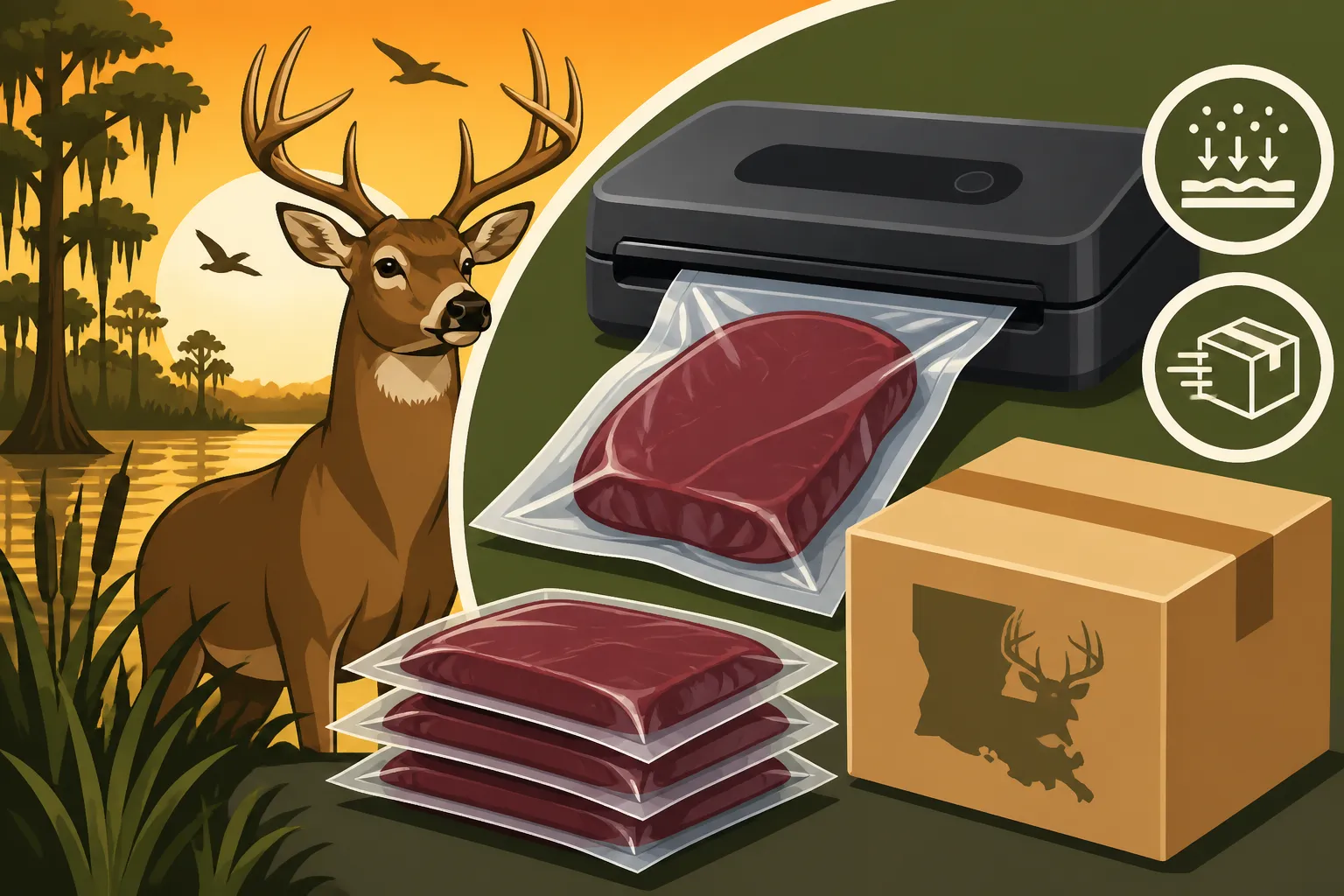
A good vacuum sealer removes the air around your meat, creating an airtight seal that eliminates the oxygen responsible for oxidation. It also prevents moisture loss, which means your venison retains its natural juices, tenderness, and rich flavor for significantly longer. Whether you're planning to enjoy those backstraps next week or hold onto a roast for a special occasion next year, vacuum-sealing ensures that the quality you worked so hard to achieve in the field is maintained all the way to your plate. It makes all the difference between a disappointing meal and a truly memorable one.
Choosing the Right Vacuum Sealer and Bags
When it comes to vacuum-sealing, not all equipment is created equal, and making the right choice can significantly impact the success of your preservation efforts. You'll find two main types of sealers: external clamp models and chamber vacuum sealers. External clamp sealers are the most common for home use, being more affordable and compact. They work by drawing air out of a specially designed bag placed outside the machine. These are perfectly adequate for most hunters, offering a good balance of cost and performance. However, for those processing a lot of game or looking for the absolute best seal, chamber vacuum sealers are the professional standard. They enclose the entire bag within a chamber, allowing them to seal liquids and achieve a much deeper vacuum, but they come with a higher price tag and take up more space.
Beyond the machine itself, the bags are crucial. Don't skimp on quality here! Look for thick, multi-ply, puncture-resistant bags specifically designed for freezer use. Thin bags are easily compromised by sharp bone fragments (even if trimmed, accidents happen) or simply the jostling of a cooler during transit. You can find bags in rolls, which you cut to size, or pre-cut pouches. Rolls offer flexibility for different-sized cuts, while pre-cut bags are convenient for standard portions. Consider gusseted bags for larger roasts or irregular cuts, as they expand to accommodate bulk. Using a high-quality, durable bag is your first line of defense against freezer burn and an absolute must when you're preparing for Shipping Game Meat Home After a Louisiana Hunt.
Best Practices for Packaging Different Cuts
Once you have your venison processed—whether you did your own Butchering a Deer at Camp or used a local processor—how you prepare it for vacuum-sealing is key. Each cut has its own considerations. For steaks and roasts, ensure they are as dry as possible on the surface before sealing; excess moisture can sometimes interfere with a perfect seal. Patting them down with a paper towel can help. Lay cuts flat in the bag, avoiding overcrowding, which can lead to air pockets. If you're sealing bone-in cuts, which is less common for shipping but can happen, always trim any sharp edges of bone or wrap them in a paper towel or a small piece of extra vacuum bag material to prevent puncturing the bag.
Ground venison and stew meat benefit from being flattened into thin, rectangular packages. This not only makes them easier to stack in the freezer and cooler but also ensures more even freezing and thawing. When sealing ground meat, make sure there are no loose crumbs near the seal line, as these can prevent a proper vacuum. For all cuts, consider portioning them into meal-sized servings. This way, you only thaw what you need, reducing waste and maintaining freshness. Double-sealing the ends of bags is a smart, extra layer of protection, especially for meat destined for a long journey. This added step provides peace of mind, knowing your precious meat is secure for its trip home.
Preparing Your Venison for Shipping: Regulations and Logistics
Getting your venison ready for its trip home involves more than just sealing it up. You've got to think about the journey itself – how long it will take, how to keep it frozen solid, and any rules you might encounter. It can feel a bit overwhelming, but with a little planning, you can ensure your hard-earned meat arrives in perfect condition.
Understanding Shipping Regulations for Meat
When you're dealing with wild game, especially meat you intend to ship, safety and legality are paramount. Venison is a perishable food product, and it needs to be treated with the utmost care from the moment it leaves the freezer until it reaches its final destination. Generally, shipping meat for personal consumption doesn't involve the same complex regulations as commercial food transport, but you still need to adhere to safe food handling practices to prevent spoilage. The most critical factor is maintaining a consistent frozen temperature throughout transit.
It's also essential to be mindful of specific state regulations, particularly concerning Louisiana Carcass Movement Restrictions if you're traveling from a Chronic Wasting Disease (CWD) management zone. While whole carcasses have the strictest rules, processed, deboned meat generally has fewer restrictions. However, it's always wise to be informed. Make sure your venison is completely deboned, as the brain and spinal column are tissues of concern for CWD. Always label your packages clearly. While you won't need special permits for your personal venison, having your hunting license and harvest tag information readily available can be helpful if any questions arise, especially if you had to do CWD Testing for Hunters at a Louisiana sampling location.
Packing for the Journey: Insulated Containers and Ice
The secret to successfully shipping frozen venison is maintaining that frozen state. This means investing in high-quality insulated containers and choosing the right cooling agent. Forget those flimsy styrofoam coolers for anything other than a short trip across town. You'll need a heavy-duty cooler, often rotomolded, designed for extended ice retention. Brands like Yeti, RTIC, or similar high-performance coolers are built for this kind of challenge. If you're looking for gear recommendations, you might find some great options through resources that curate hunting equipment, like those you'd discover through GoHunt's extensive gear guides.
Once you have your cooler, the next step is layering. Pack your vacuum-sealed venison as tightly as possible, minimizing any air pockets, which can accelerate thawing. As for the cooling agent, you have a few options:
- Dry Ice: This is the king of cold. Dry ice, which is solid carbon dioxide, is extremely cold (-109.3°F or -78.5°C) and sublimates (turns directly into gas) rather than melts, so no messy water. It's ideal for keeping items frozen solid for several days. Handle dry ice with gloves to prevent frostbite and ensure proper ventilation if transporting it in a vehicle.
- Gel Packs: These are reusable and can maintain cold temperatures for a good duration, especially when combined with a well-insulated cooler. They don't create a mess, but they won't keep things frozen quite as long or as cold as dry ice.
- Block Ice: Regular ice works, but block ice lasts much longer than cubed ice. However, it melts into water, which can potentially compromise your vacuum seals if not contained in sturdy bags.
For optimal results, especially for longer shipping times, a combination of dry ice and gel packs can be incredibly effective. Place a layer of dry ice at the bottom, then your frozen venison, followed by more dry ice or gel packs on top, and fill any remaining gaps with crumpled newspaper for insulation. Ensure the cooler lid is securely latched.
Labeling and Documentation for a Smooth Trip
Don't underestimate the power of clear, concise labeling and knowing what documentation to have on hand. It can save you a lot of headaches, especially if your venison is traveling a distance. On the exterior of your shipping cooler or box, clearly label it "PERISHABLE – FROZEN MEAT" in bold, easy-to-read letters. Add "DO NOT REFRIGERATE" if you're using dry ice, as some handlers might mistakenly try to put it in a fridge. Include your full name, address, and phone number, as well as the recipient's name, address, and phone number. This ensures that if there are any delivery issues, the carrier can quickly get in touch.
While specific legal documentation for shipping personal venison is minimal, being prepared can't hurt. Keep a copy of your Louisiana hunting license and your deer harvest tag information with you. You might also want a simple inventory list of the contents in the cooler, just in case. For instance, if you're sending back a typical Deer Meat Yield From a Louisiana Buck, you'd have a good number of packages. If you've been hunting in a CWD zone, having documentation of Louisiana CWD Testing for Hunters results (if required or done voluntarily) can be a good idea, though generally not explicitly required for deboned meat. The goal is to provide enough information to facilitate a smooth journey and answer any questions that might arise, without overcomplicating things.
Choosing Your Shipping Method: Carriers and Self-Transport
Now that your venison is perfectly vacuum-sealed and packed into a robust cooler, the final hurdle is getting it to its destination. You essentially have two main paths: entrusting it to a commercial shipping carrier or taking it with you if you're driving. Each has its pros and cons, and the best choice often depends on your timeline, budget, and travel plans.
Commercial Shipping Options: UPS, FedEx, and Specialized Carriers
For many hunters, especially those flying or with extremely long drives, commercial shipping is the most convenient option. Major carriers like UPS and FedEx offer services for shipping perishable goods, but you need to pay close attention to their specific requirements and choose the right service.
The golden rule for shipping frozen venison via a carrier is speed. You absolutely need to use an express service, such as overnight or two-day air delivery. Anything slower significantly increases the risk of thawing and spoilage, and the disappointment of a ruined cooler full of meat is not worth the potential savings. Be prepared for the cost; express shipping for heavy, insulated packages can be substantial. Carriers have strict guidelines for shipping with dry ice (often requiring specific labeling and packaging to allow for gas ventilation), so always check their current regulations directly on their websites or by speaking with a representative.
Some specialized carriers or processors might also offer services tailored to hunters, often found through outfitters or larger hunting camps. For instance, if you've booked a comprehensive package through a platform like BookYourHunt, they might have recommendations or even services that handle the logistics of getting your harvest home. This could be part of what's included in an What's Included in an All-Inclusive Deer Package. These services can sometimes streamline the process, but always verify their experience with wild game and their specific shipping methods.
The Self-Transport Route: Road Tripping with Your Harvest
If you're driving home, transporting your venison yourself is often the most cost-effective and straightforward method. The key here is consistent temperature control throughout your road trip. Just like with commercial shipping, start with venison that is frozen solid, ideally for several days before you depart. Pack your high-performance cooler as densely as possible with your vacuum-sealed meat and an ample supply of dry ice or quality gel packs.
For a multi-day drive, plan your ice replenishment strategy. Know where you can purchase additional dry ice or swap out gel packs along your route. Many larger grocery stores or industrial gas suppliers sell dry ice. Keep your cooler out of direct sunlight in your vehicle, and consider wrapping it in an old sleeping bag or blankets for extra insulation, especially during warm Louisiana weather after Field Dressing a Deer in Warm Weather. Don't open the cooler unnecessarily; every time you lift the lid, cold air escapes. While crossing state lines with legally harvested, processed venison for personal consumption is generally fine, it's prudent to be aware of any unique regulations in states you'll be passing through, particularly if they have different CWD rules.
Contingency Planning: What to Do If Things Go Wrong
Even with the best planning, unforeseen circumstances can arise. Shipping delays, misplaced packages, or even vehicle breakdowns can threaten your frozen venison. Having a contingency plan can make all the difference.
If you're using a commercial carrier, track your package diligently. If you see any delays, contact the carrier immediately. Consider paying for shipping insurance, which can at least recover the financial value of the meat and shipping costs if spoilage occurs. For self-transport, always ensure your vehicle is in good working order for the journey. If you anticipate extreme heat or a particularly long drive, pack more dry ice than you think you'll need.
The most critical aspect of contingency planning, however, is knowing the signs of spoilage and being ready to make the tough decision to discard meat if necessary. If the venison thaws completely and remains above refrigerator temperature (40°F or 4°C) for more than a few hours, or if it has an off-odor, slimy texture, or questionable color, it's simply not worth the risk. "When in doubt, throw it out" is a hard rule to follow, especially after all your effort, but your health and safety are paramount. Some guided hunts, especially those you might find listed on platforms like BookYourHunt, sometimes offer assistance with post-hunt processing and shipping, which can be a valuable peace of mind. Always confirm these details when booking.
Here's a quick comparison of the two main shipping methods:
| Feature | Commercial Shipping (UPS/FedEx) | Self-Transport (Personal Vehicle) |
|---|---|---|
| Cost | High (especially for express services and heavy packages) | Low (primarily fuel, ice, and cooler investment) |
| Convenience | High (drop off and let them handle it, but coordinate timing) | Moderate (you manage the entire process) |
| Speed | Very Fast (overnight/2-day crucial for perishables) | Varies (depends on your drive time and stops) |
| Temperature Control | Excellent (if correct service/packaging used), but out of your control in transit | Excellent (you have direct control over cooler and ice management) |
| Risk of Spoilage | Moderate to High (due to potential delays, mishandling) | Low to Moderate (if properly packed and managed, but vehicle issues) |
| Best For | Flying, very long distances, or when time is critical | Driving short to moderate distances, budget-conscious travelers |
No matter which route you choose, the effort you put into properly vacuum-sealing and packing your Louisiana venison will be rewarded with delicious meals for months to come.
Disclaimer
This article is for general informational purposes only and does not constitute professional advice. Laws, prices and regulations vary by location and change over time. Consult a qualified professional for guidance on your specific situation.