What Happens if a Louisiana Guide Gets Injured
It's a thought that might cross your mind but rarely gets voiced: what exactly happens if your Louisiana hunting guide gets injured while you're out in the cypress swamps or the coastal marsh? It's a serious concern, not just for the guide's well-being, but for the safety and success of your hunt. This guide will walk you through the practical, legal, and logistical aspects of such an unexpected and unfortunate event, helping you understand the protocols and your responsibilities.
Immediate Response to a Guide's Injury Afield
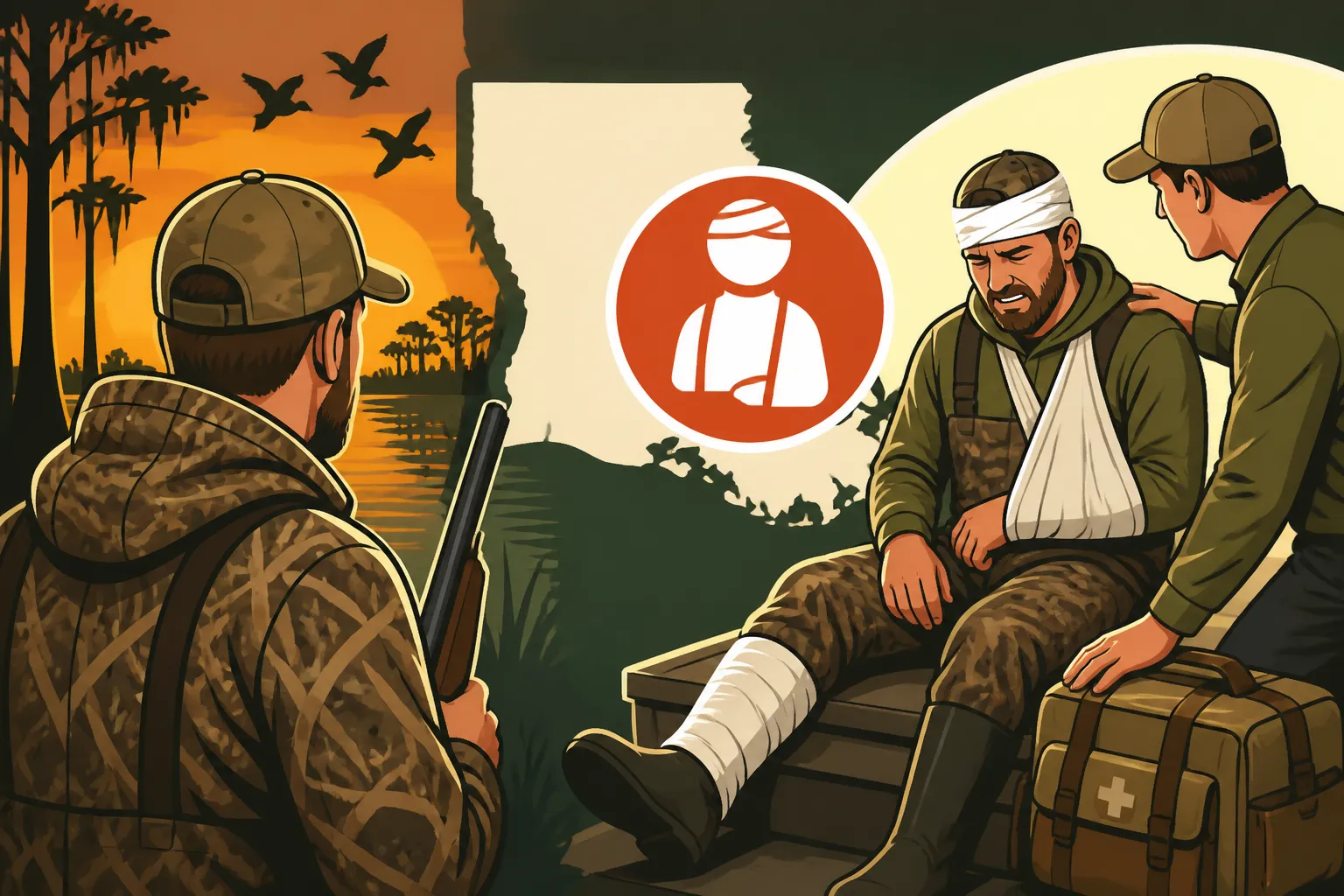
When an injury occurs in the field, whether it's a twisted ankle navigating a bayou or a more serious accident involving equipment, the immediate priority is always the well-being of the injured person. As a hunter with a guide, you become part of the emergency response team, even if you weren't directly involved in the cause of the injury. It’s a moment where your instincts and preparedness can make a real difference.
On-Site First Aid and Emergency Response
Most professional Louisiana hunting guides are not just experts in finding game; they're also trained in basic first aid and emergency procedures. They often carry a well-stocked first-aid kit, and many have certifications in wilderness first aid or CPR, especially those leading trips into remote areas like the Atchafalaya Basin or deep marsh. Your first role, if your guide is injured, is to assess the situation calmly. Is the guide conscious? Can they communicate? Is there immediate danger in the environment, such as a falling tree or unstable ground?
Once initial safety is established, administer any first aid you're capable of, guided by the guide if they can instruct you. This might mean applying pressure to a wound, stabilizing a suspected fracture, or simply providing comfort. Remember, the guide is the one who knows the local terrain and how to best extract themselves, so their input, if possible, is invaluable. Always err on the side of caution. If it's something beyond a minor scrape, assume it's serious until proven otherwise.
Communication with Authorities and Medical Personnel
Modern hunting often involves technology, and this is where it truly shines in an emergency. Many guides carry satellite phones, two-way radios, or personal locator beacons (PLBs), especially when hunting areas with limited cell service. If the guide is incapacitated, you'll need to locate and operate their communication device. Knowing how to use these tools beforehand, or at least where they are stored, can be critical.
The call to emergency services (like 911) will require specific information: your exact location (GPS coordinates are paramount), the nature of the injury, and the number of people involved. The Louisiana Department of Wildlife and Fisheries (LDWF) often works closely with local sheriff's departments and EMS in search and rescue operations, particularly in hard-to-reach hunting grounds. If you're on a guided trip, the outfitter or lodge manager should also be contacted as soon as possible, as they will have established emergency protocols and could dispatch additional support or provide critical information to responders. This is why when you're thinking about Vetting a Louisiana Outfitter Before You Book, asking about their emergency communication plan is so important.
Understanding Liability and Insurance for Hunting Guides
This is where things can get complicated, and it's a major reason why working with reputable outfitters is paramount. Hunting is an inherently risky activity, and accidents can happen despite the best precautions. The legal and financial implications following a guide's injury are usually covered by a combination of waivers, insurance, and state regulations.
Guide Liability Waivers and Assumptions of Risk
Almost every professional hunting outfitter and guide will require you to sign a liability waiver before you ever step foot in the field. This document typically outlines the inherent risks associated with hunting – things like rough terrain, exposure to weather, potential animal encounters, and the use of firearms or archery equipment. By signing, you're generally acknowledging and assuming these risks. The waiver also usually stipulates that you agree not to sue the guide or outfitter for injuries or damages that arise from these inherent risks.
However, a waiver doesn't protect a guide from gross negligence or intentional harm. If the guide's injury was due to their own reckless behavior or a direct failure to follow safety protocols, the legal landscape could shift. This is a complex area, and it underscores the importance of a clear understanding of Liability Waivers on a Guided Louisiana Hunt before you sign anything. It's not just about your safety; it's about understanding the framework for everyone's safety.
Guide's Professional Liability Insurance
Reputable Louisiana hunting outfitters and independent guides carry professional liability insurance. This insurance is designed to protect them financially in case of a lawsuit arising from an accident or injury during a guided trip. If a guide is injured on the job and the injury is due to a client's negligence (e.g., accidental discharge of a firearm, failure to follow instructions), this insurance may help cover legal fees and potential damages. Conversely, if the guide's injury was truly unforeseen and not the fault of the client or the outfitter, the guide’s own medical insurance or workers’ compensation (if they are an employee) would typically come into play.
When you're comparing guides, whether through a platform like BookYourHunt or directly, it's never out of line to ask about their insurance coverage. Knowing Insurance a Louisiana Outfitter Should Carry provides you with peace of mind and helps ensure you're dealing with a legitimate operation. A guide who is hesitant to discuss their insurance might be a red flag.
Hunter's Role in Incident Reporting
Should an injury occur, your role as the client doesn't end with immediate first aid and calling for help. You may be asked to provide a detailed account of what happened to the outfitter, insurance companies, or even law enforcement, depending on the severity and nature of the incident. Document everything you can: time, location, conditions, specific events leading up to the injury, and any actions taken immediately afterward. Photos or videos of the scene (if safe and appropriate) can also be useful.
This information is crucial for accurate reporting and for any subsequent investigations or insurance claims. Being honest and thorough protects everyone involved. It’s part of the broader responsibility that comes with engaging in guided outdoor activities, and it feeds into the kind of transparency that organizations like GoHunt advocate for when connecting hunters with outfitters.
Impact on Your Hunt and Next Steps
An injured guide can certainly throw a wrench into your carefully planned Louisiana hunting trip. The ripple effects can range from a minor inconvenience to the complete cancellation of your adventure. It’s important to know what to expect and what your options might be.
Continuation or Cancellation of the Hunt
The immediate aftermath of a guide's injury will dictate whether your hunt can continue. If the injury is minor and the guide can still safely lead, perhaps with some adjustments, the hunt might proceed. However, if the guide is incapacitated or requires immediate medical attention, the hunt will almost certainly be interrupted or cancelled.
Many outfitters have contingency plans for such situations. They might have another guide on staff who can step in, or they might be able to reschedule your hunt for a later date. This is less likely to happen on a highly specialized trip, like Alligator Hunting Louisiana's Coastal Marsh, where specific tags and time-sensitive permits are involved. For a deer hunt, for example, they might be able to provide a substitute guide, depending on their staffing and the availability of similar expertise. Always inquire about these backup plans when you're booking; it's one of those Questions to Ask Before Booking a Louisiana Hunt that can save you a lot of headache.
Financial Ramifications and Refunds
The financial aspect is often a primary concern for hunters whose trips are cut short. If your hunt is cancelled due to a guide's injury, the outfitter's policy on refunds or rescheduling comes into play. Most reputable outfitters will offer a prorated refund for the days of hunting missed or credit towards a future trip. Some might offer a full refund if the cancellation happens very early in the trip. This is typically outlined in your booking contract under Deposits and Cancellation Terms in Louisiana.
It's rare for an outfitter to keep your full payment if they cannot provide the service due to an internal issue like a guide's injury. However, if the injury was caused by your own negligence, the financial responsibility could shift. This is why robust travel insurance that covers trip interruptions or cancellations (especially for covered reasons like guide incapacitation) can be a wise investment, particularly for more expensive excursions like What a Guided Louisiana Deer Hunt Costs.
Here’s a simplified look at potential scenarios:
| Scenario | Guide Status | Hunt Continuation | Financial Outcome (Typical) |
|---|---|---|---|
| Minor Injury | Can self-manage, no severe impairment | Likely continues | No change, minor adjustments if needed |
| Moderate Injury (requires evacuation) | Incapacitated but not life-threatening | Interrupted/Ended | Prorated refund/credit; possible substitute guide |
| Severe Injury (life-threatening) | Critically injured, immediate medical aid | Ends immediately | Prorated refund/credit; travel insurance may apply |
| Injury due to Client Negligence | Any severity | Interrupted/Ended | Client may be liable for damages; no refund/credit |
| Outfitter has backup guide available | Guide incapacitated | Continues with new guide | No change to cost, unless new services are added |
Proactive Steps for a Safer Hunting Experience
While you can't control every aspect of a guided hunt, especially unforeseen incidents like a guide's injury, you can take proactive steps to minimize risks and ensure you're prepared for any eventuality.
Vetting Guides for Safety and Experience
Before you ever commit to a trip, do your homework on the outfitter and the specific guides they employ. Look for guides with years of experience, especially in the specific type of hunting and terrain you'll be tackling. An experienced guide often has a better understanding of risks and how to avoid them. Don't be shy about asking about their safety record, their emergency training (first aid, CPR), and the equipment they carry for emergencies.
Many hunters rely on online reviews and references. Platforms like GoHunt and BookYourHunt often have client testimonials that can offer insights into an outfitter’s professionalism and safety standards. But always dig deeper. Talk to past clients directly if possible. Remember, a good guide's reputation is built not just on success rates, but on how safely and professionally they conduct their operations. This is truly part of Vetting a Louisiana Outfitter Before You Book.
Reviewing Contracts and Policies Thoroughly
Never just skim and sign. Read every line of the booking contract, the liability waiver, and the cancellation policy. If anything is unclear, ask for clarification before you put down a deposit. Pay close attention to sections covering emergencies, guide injuries, client injuries, and what happens financially if the trip is disrupted or cancelled by either party. Understanding these documents upfront will save you potential stress and financial loss later on, should something unexpected occur.
Confirm what exactly is included in your booking and what isn't. Does it cover just the hunt, or does it include transportation to and from the hunting grounds, meals, and accommodations? What about game processing or taxidermy arrangements? Knowing all these details contributes to a smoother, safer, and more predictable experience. When considering Red Flags When Booking in Louisiana, a vague contract or an outfitter unwilling to answer questions about their policies should be a major warning sign. Your preparedness, combined with a reputable outfitter, is the best defense against unforeseen circumstances.
Disclaimer
This article is for general informational purposes only and does not constitute professional advice. Laws, prices and regulations vary by location and change over time. Consult a qualified professional for guidance on your specific situation.